
A Hoosier's Guide to Preventing Ice Dams on Your Roof
Winter in Indiana can be beautiful, with snow-covered trees and cozy evenings by the fire. But for homeowners, those picturesque icicles hanging from the roof's edge can signal a serious problem: an ice dam. While they might look charming, ice dams are a leading cause of winter roof damage, leading to water leaks, ruined insulation, and costly repairs. As a trusted local roofing team serving the greater Indianapolis area, we at NFL Exteriors have seen firsthand the damage these icy ridges can cause. The good news is that with a little knowledge and proactive care, you can protect your home. This guide will walk you through what causes ice dams and, more importantly, how to prevent them from forming in the first place.
What Exactly Is an Ice Dam?
An ice dam is a ridge of ice that forms at the edge of a roof, preventing melting snow (water) from draining off. It’s a problem that starts not on your roof, but inside your attic. Here’s the step-by-step process:
- Heat Escapes: Warm air from your living spaces rises and escapes into the attic. If your attic is poorly insulated or has air leaks, this heat warms the underside of your roof deck.
- Snow Melts: The snow on the upper, warmer part of your roof melts, even when the outside temperature is below freezing.
- Water Refreezes: This meltwater flows down the roof until it reaches the colder eaves (the roof's edge) and gutters, which are not warmed by attic heat. Here, the water refreezes, creating a small ridge of ice.
- The Dam Grows: As this cycle continues, the ridge of ice grows larger, forming a dam. Water from newly melted snow pools behind it.
This trapped water has nowhere to go but up. It can seep back under your shingles, which are designed to shed water flowing down, not to withstand standing water. Once beneath the shingles, the water can leak into your attic, soaking insulation, damaging drywall, and even leading to mold growth and rot in your home's structure. What starts as a winter wonderland aesthetic can quickly become a homeowner's nightmare.
The True Culprits: Poor Insulation and Inadequate Ventilation
Many people blame heavy snowfall for ice dams, but snow is only part of the equation. The real root causes are almost always related to your attic's environment. A properly functioning roof system keeps the entire roof surface uniformly cold, preventing the melt-and-refreeze cycle from ever beginning.
1. Insufficient Attic Insulation: Insulation's job is to keep the heat from your home in your home, not let it escape into the attic. When insulation is thin, compressed, or missing in spots, heat easily passes through the ceiling. The U.S. Department of Energy recommends specific insulation levels for different climate zones, and Central Indiana requires a significant R-value (a measure of thermal resistance) to be effective. A well-insulated attic floor is the single most important factor in preventing ice dams.
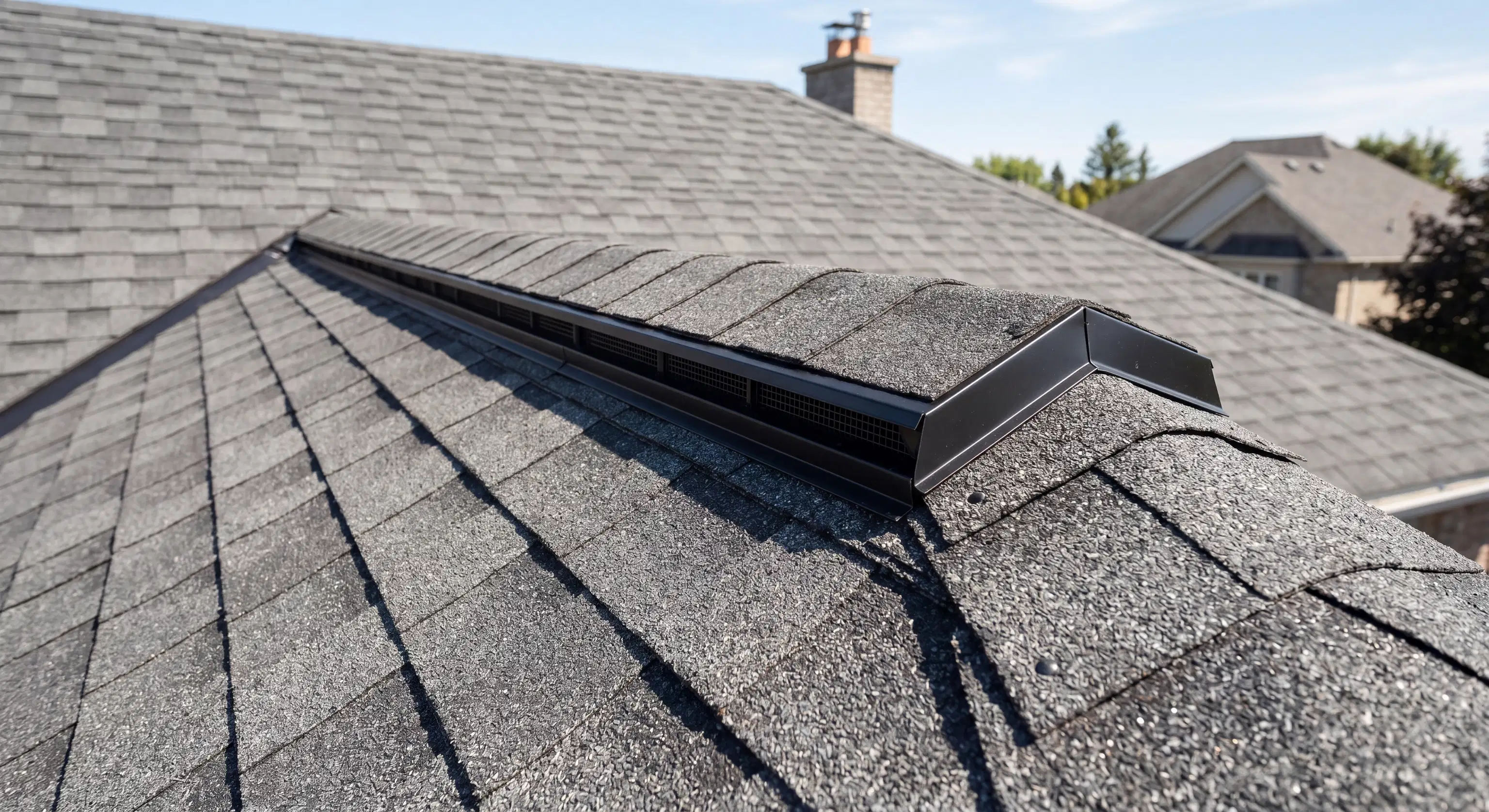
2. Inadequate Attic Ventilation: A well-ventilated attic allows cold outside air to circulate, keeping the roof deck cold. This is typically achieved with a balanced system of soffit vents (under the eaves, for intake) and ridge vents (at the peak of the roof, for exhaust). This constant airflow ensures the roof's surface temperature stays close to the outdoor temperature. If vents are blocked by insulation, debris, or are simply insufficient for the attic's size, the trapped warm air will heat the roof and start the melting process.
Proactive Steps to Protect Your Roof This Winter
Preventing ice dams is far more effective and less expensive than dealing with the aftermath. The goal is to create a "cold roof" system where your attic temperature is as close to the outside temperature as possible.
- Seal Air Leaks: Before adding insulation, it's crucial to seal any air leaks from your heated living space into the attic. Common culprits include gaps around plumbing vents, electrical wiring, recessed lighting fixtures, and the attic access hatch. Use caulk or expanding foam to seal these openings.
- Boost Your Insulation: Check your attic's insulation level. If you can see the tops of your ceiling joists, you likely don't have enough. Adding blown-in cellulose or fiberglass insulation to meet local code recommendations is a fantastic investment in your home's energy efficiency and ice dam prevention.
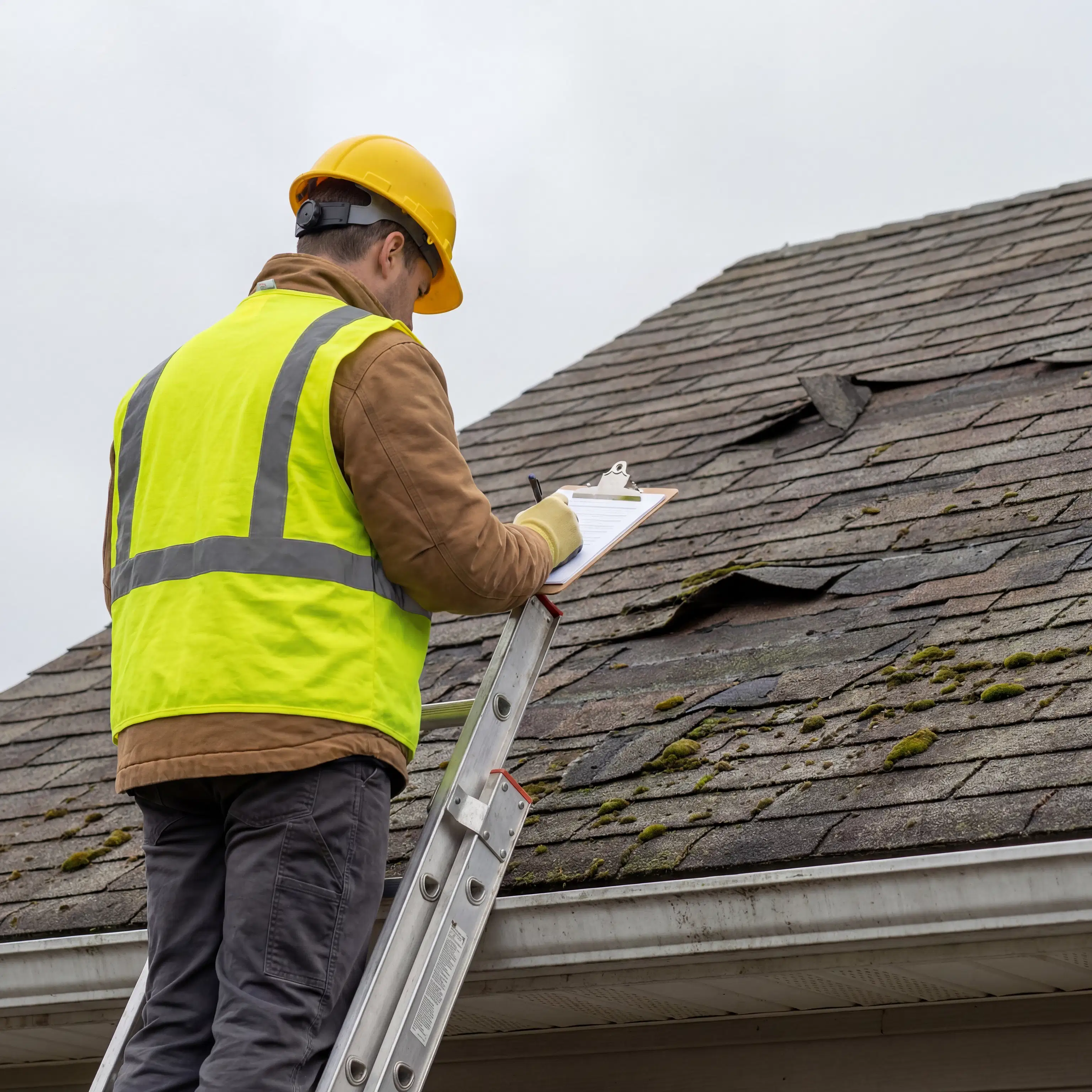
- Ensure Proper Ventilation: Make sure your soffit vents are clear of insulation and debris to allow air to enter. A continuous ridge vent is the most effective way to let warm air escape. If you're unsure about your ventilation, a professional inspection can determine if your system is balanced and effective.
- Keep Gutters Clean: While not a primary cause, gutters clogged with leaves and debris can exacerbate the problem by preventing the initial meltwater from draining away before it can freeze. A thorough gutter cleaning in the late fall is always a good idea.
What to Do If You Already Have an Ice Dam
If an ice dam has already formed, it's important to act carefully to prevent further damage. Never get on an icy roof yourself, and avoid using axes or chisels that can easily damage your shingles. Using rock salt or calcium chloride can corrode your gutters and downspouts and harm surrounding plants.
For a temporary fix, you can use a roof rake to carefully pull snow off the first few feet of your roof edge. This removes the fuel (snow) that creates meltwater. However, if the ice dam is large or you see water entering your home, it's time to call for professional help. A team with the right equipment can safely remove the ice using steam, which is effective and won't damage your roof.
If a leak has already started, you may need emergency roof repairs to mitigate the damage quickly.
Protect Your Investment with NFL Exteriors
Indiana winters are tough enough without having to worry about your roof. The best defense against ice dams is a well-maintained, properly insulated, and ventilated roofing system. At NFL Exteriors, our core values of honesty, integrity, and punctuality guide every project, ensuring you get a reliable, long-term solution. The owner is directly involved in every job, guaranteeing the quality control your home deserves.
If you're concerned about your roof's performance this winter or have experienced ice dams in the past, don't wait for damage to occur. Contact us today for a comprehensive inspection. We provide expert residential roofing services and all repairs to keep your Indianapolis home safe and dry, no matter what the weather brings. Schedule your free, no-obligation estimate now.